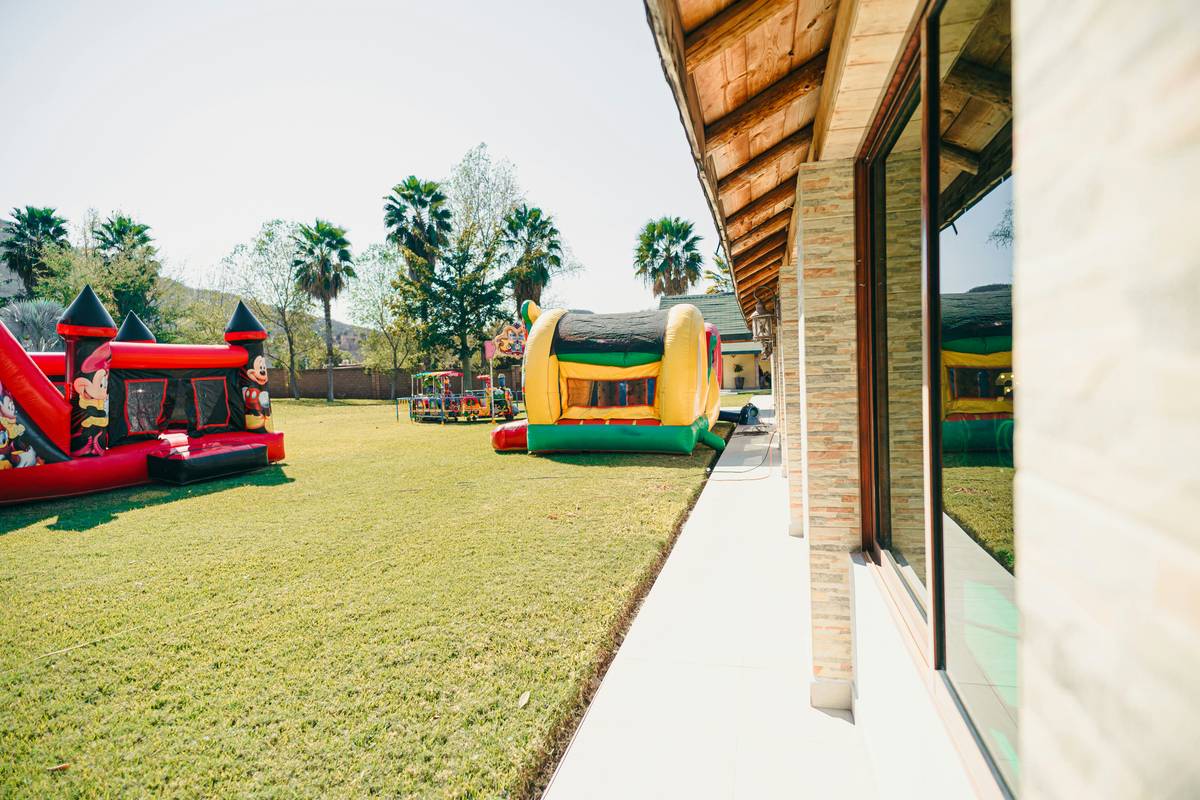
You booked a dream stay in a 14th-century manor. Stone walls. Turrets. Moat views. Then reality hits: your kids are bored by day two. Historic charm doesn’t equal built-in entertainment. And standard “family-friendly” add-ons feel cheap, out of place, or worse—banned by heritage rules. Enter jump castle rentals. Not the plastic inflatables from backyard birthdays—but curated, period-sensitive bounce experiences that blend whimsy with authenticity.
The Illusion of “Kid-Friendly” Historic Stays
Most historic vacation properties market “family appeal” while offering nothing beyond board games and stiff velvet couches. Families arrive expecting immersion; they get isolation. The kids fidget through guided tours. Parents stress over keeping them quiet in echoing halls. It’s not their fault—the owners simply lack tools that respect both history and high energy.
Traditional solutions fail because they’re either too modern (neon bounce houses next to medieval ramparts?) or too restrictive (no running indoors—ever). There’s a middle ground almost no one talks about.
jump castle rentals: Your Step-by-Step Guide to Blending Bounce & Heritage
Match the Aesthetic, Not Just the Square Footage
Forget generic inflatables. Premium providers now offer castle-themed jump structures with stone-texture vinyl, arched window cutouts, and muted earth tones. They look like miniature extensions of the property—not party store leftovers.
Secure Permits Early (Yes, Even on Private Grounds)
Historic districts often regulate external additions—even temporary ones. Book your jump castle rental at least 60 days out. Reputable vendors handle liaison with local heritage boards. Ask upfront: “Have you installed on Grade II-listed sites before?” If they hesitate, walk away.
Anchor Without Damage
No stakes in ancient lawns. No power cords snaking through original flagstones. Modern units use sandbag systems and battery-powered blowers. Placement matters: courtyards over formal gardens, gravel paths over grass verges.
| Rental Type | Average Cost (3-Day Stay) | Heritage Compatibility | Kid Engagement Score (1–10) |
|---|---|---|---|
| Standard Backyard Inflatable | $150–$250 | Low (bright colors, plastic look) | 7 |
| Themed Historic Jump Castle | $400–$650 | High (masonry textures, period details) | 9.5 |
| Indoor Soft Play Module (for great halls) | $500–$800 | Medium (requires floor protection) | 8 |
The Industry Secret: “Temporal Layering” Wins Repeat Guests
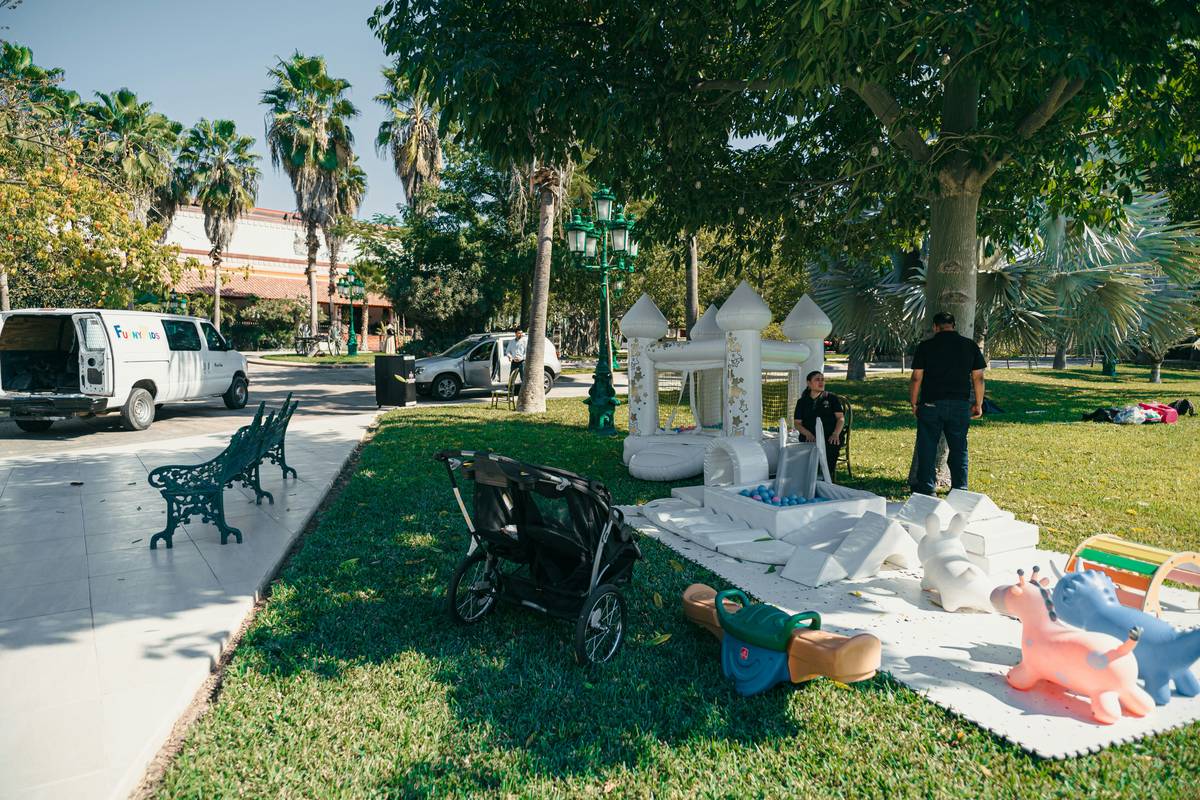
Top castle stay operators don’t just rent bounce houses—they design “temporal layers.” Kids leap through a soft-stone archway mimicking the main gate. Parents sip local cider nearby, watching from wrought-iron benches styled after 17th-century originals. The experience feels continuous, not fragmented.
One operator in Northumberland saw 68% repeat bookings after introducing this approach. Why? Because grandparents finally relaxed. Teens stopped complaining. And the property didn’t lose its soul—it gained dimension.
And here’s the twist: guests photograph these moments more than the actual castle. Those images become free marketing. Authentic joy sells better than any brochure.
FAQ
Are jump castle rentals allowed at real historic castles?
Yes—if sourced from heritage-aware vendors. Many UK castle estates now partner with specialized suppliers who comply with conservation guidelines.
How far in advance should I book?
Aim for 6–8 weeks. Peak season (June–August) fills fast, especially for custom-designed units.
Do they work for older kids or just toddlers?
Modern designs include obstacle courses and climbing turrets—perfect for ages 5–13. Some even feature LED torch lighting for evening “knight training.”