Ever booked a “quiet countryside cottage” only to find yourself elbow-deep in tourist crowds, spotty Wi-Fi, and zero focus? You’re not alone. In today’s hybrid work era, professionals are ditching coffee shops and home offices for something more intentional: a true work retreat. But what is a retreat for work, really? It’s not just a fancy hotel stay—it’s a strategic reset designed to boost creativity, deepen focus, and align your output with your values. In this guide, we’ll explore how historic vacation rentals can serve as powerful backdrops for productivity, where old-world charm meets modern workflow needs. From avoiding planning mistakes to choosing the right property, here’s everything you need to transform your next getaway into a high-impact work sanctuary.
Table of Contents
- Why Work Retreats Matter in Travel
- How to Plan a Historic Work Retreat
- Best Practices for Productive Retreats
- Real Examples of Successful Work Retreats
- Frequently Asked Questions
Key Takeaways
- A work retreat blends focused work time with restorative environment—historic rentals offer unique ambiance without modern distractions.
- Poor internet, noise, and unclear boundaries are the top reasons remote work vacations fail.
- Verify amenities like dedicated workspace, reliable Wi-Fi, and quiet zones before booking.
- Structure your day with defined work blocks and intentional downtime to avoid burnout.
- Historic properties often come with quirks—embrace them strategically to fuel creativity.
Why Work Retreats Matter in Travel
In a world where 58% of knowledge workers report feeling “always on” (according to a McKinsey study), escaping routine isn’t indulgence—it’s necessity. A well-designed work retreat creates psychological distance from daily chaos, enabling deeper concentration. Historic vacation rentals, in particular, offer acoustic isolation, architectural inspiration, and fewer digital temptations than urban hotels.
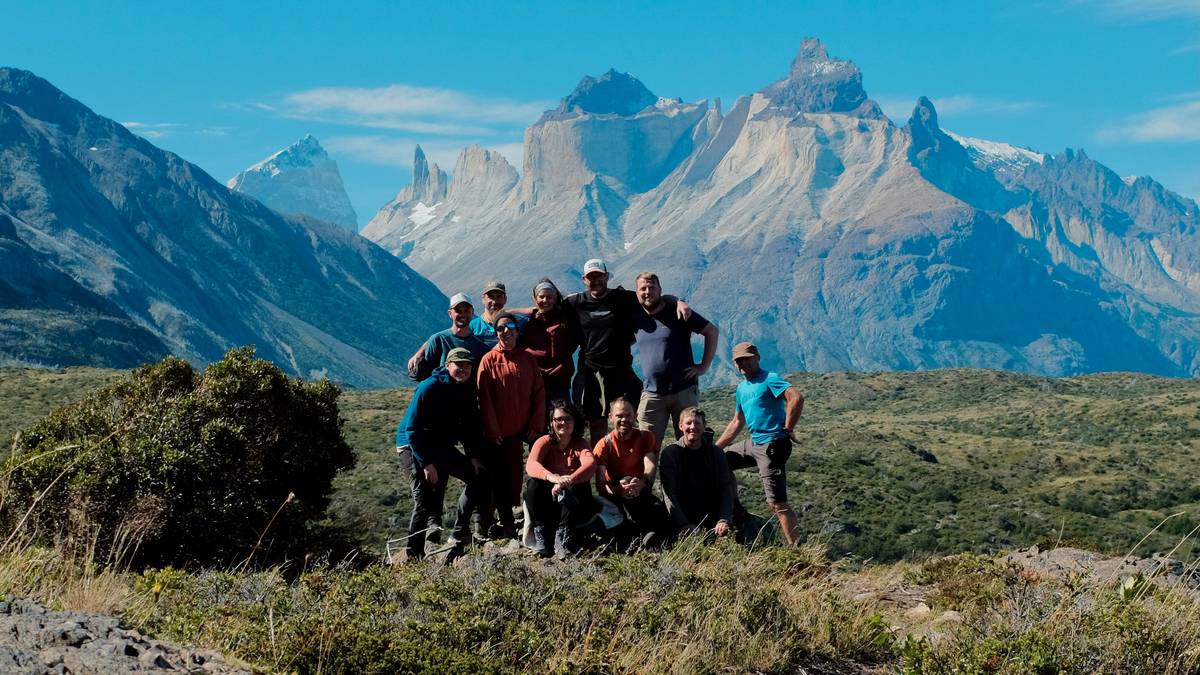
I learned this the hard way during a trip to a listed Georgian townhouse in Bath. The listing boasted “period elegance”—which translated to zero electrical outlets near the only table, creaky floorboards that echoed every keystroke, and neighbors who mistook my Zoom calls for public theater. I left exhausted, having produced less than half my planned content. That experience taught me: romance without functionality sabotages productivity.
How to Plan a Historic Work Retreat
Define Your Core Objective
Are you launching a product? Writing a book? Strategizing Q4 goals? Clarity here shapes everything—from location choice to daily schedule.
Verify Critical Infrastructure
Don’t assume “Wi-Fi included” means 100 Mbps fiber. Message the host: ask for upload/download speeds, cell signal strength, and whether the space has a dedicated desk away from bedrooms or kitchens. Historic homes often lack modern wiring—confirm outlet placement.
Map Your Daily Rhythm
Block 9–12 AM for deep work when natural light floods through tall windows. Schedule calls during quieter afternoon hours. Reserve evenings for walks or local exploration—not emails. This rhythm prevents the “workation trap” where you’re neither working nor resting well.
Best Practices for Productive Retreats
- Use the “Two-Hour Rule”: Never start work immediately upon arrival. Spend the first two hours settling in, testing tech, and walking the neighborhood to mentally transition.
- Bring physical backups: Extra charging cables, a mobile hotspot, printed notes—historic homes aren’t always tech-friendly.
- Set communication boundaries: Notify your team you’re on a focused retreat. Use autoresponders that say, “I’m offline except for urgent matters between 2–4 PM.”
- Avoid the “terrible tip”: Don’t try to pack four weeks of work into three days. That’s not a retreat—that’s self-sabotage disguised as hustle culture.
One pet peeve? Listings that call any old manor house a “digital nomad paradise” without mentioning the 15-minute walk to the nearest coffee shop—or that the “garden studio” is actually a glorified shed with no heating. Transparency matters. If you’ve got quirks (like uneven floors or shared laundry), state them upfront. We value honesty over hype—something we emphasize in our About Us philosophy.
Real Examples of Successful Work Retreats
Last spring, a UX designer rented a converted Victorian library in Cornwall for five days. She confirmed fiber internet beforehand, brought a portable standing desk, and scheduled only one client call per day. Result? She shipped her entire portfolio redesign—something she’d stalled on for months at home. According to Attention Restoration Theory, natural settings and low-stimulation environments replenish cognitive resources, making historic rural rentals ideal for creative output.
Another example: a startup founder used a 1700s farmhouse in Suffolk to draft his investor pitch. The thick stone walls blocked street noise, and the morning mist over the fields sparked unexpected metaphors he wove into his deck. He closed seed funding two weeks later. Sometimes, the right atmosphere isn’t a luxury—it’s leverage.
Frequently Asked Questions
What’s the difference between a work retreat and a regular vacation rental?
A work retreat prioritizes functionality: reliable internet, ergonomic seating, minimal distractions, and clear work/rest boundaries. A standard vacation rental focuses on leisure—pools, views, proximity to attractions—which may hinder productivity.
Can I deduct a work retreat as a business expense?
Possibly, if the primary purpose is business. Consult a tax professional, but generally, lodging and workspace costs may be partially deductible if you document your work output. See IRS guidelines or your local revenue authority for details.
How long should a work retreat last?
Three to seven days is optimal. Shorter stays don’t allow enough transition time; longer ones risk diminishing returns. Most guests on our platform book 4–5 night stays for maximum impact.
Are historic rentals suitable for video calls?
Yes—if you vet acoustics and background aesthetics. Avoid rooms with echoey stone walls or street-facing windows. Test lighting and audio before your first meeting.
Where can I learn more about responsible travel practices?
We’re committed to ethical hosting—read our full stance in the Privacy Policy and community guidelines. For broader insights, UNESCO’s guidelines on heritage tourism offer excellent frameworks.
What is a retreat for work in simple terms?
It’s a short, intentional getaway where your primary goal is focused work, supported by an environment that minimizes distractions and maximizes mental clarity—often enhanced by historic charm and solitude.
Ready to design your own high-impact escape? Don’t leave it to chance. Contact us—we’ll help you find a retro retreat that works as hard as you do.