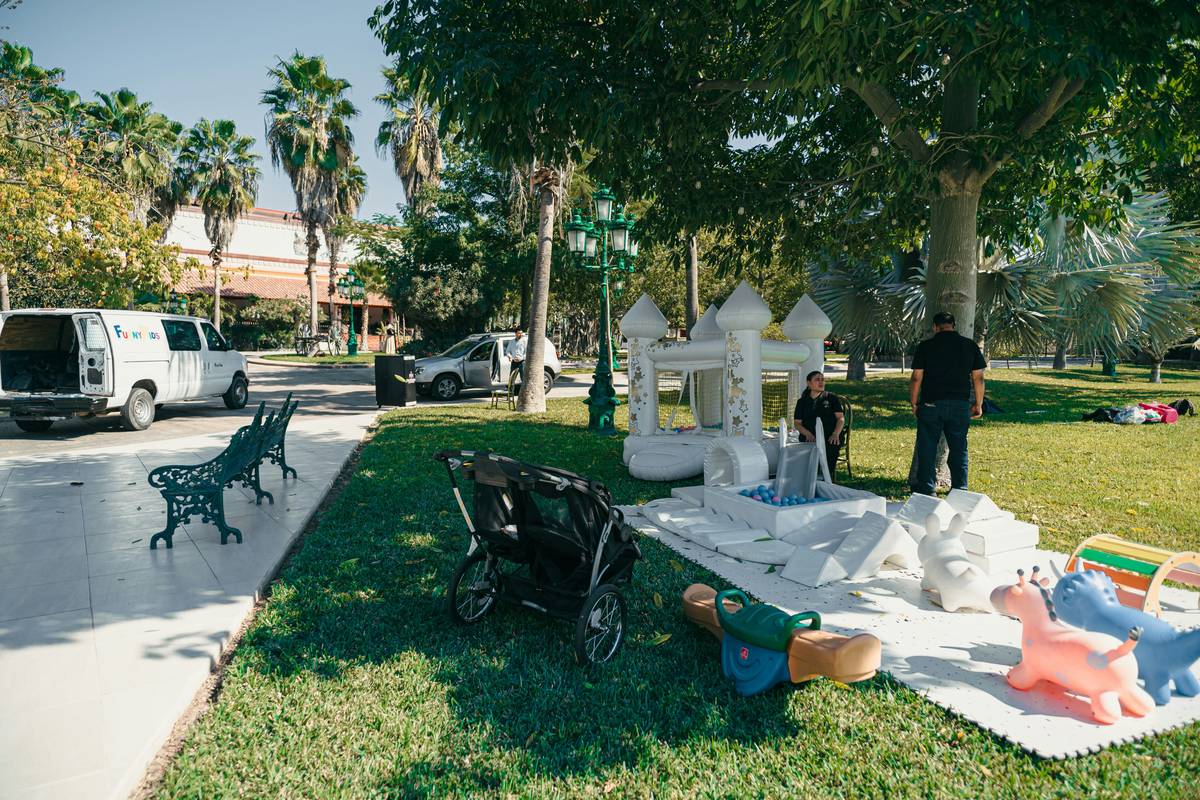
Ever dreamed of sleeping in a centuries-old fortress only to arrive and find your “castle stay” is actually just an inflatable castle rental plopped in someone’s backyard? You’re not alone. With the booming popularity of historic vacation rentals—especially those marketed as “castle stays”—confusion between authentic heritage properties and novelty inflatable setups has left travelers disappointed, overcharged, and occasionally sunburned on synthetic turrets. This guide cuts through the noise. Whether you’re seeking stone ramparts or bounce-house whimsy, we’ll help you book with confidence, avoid tourist traps, and get exactly what you paid for.
Table of Contents
- The Confusing Rise of “Castle Stays”
- How to Book the Right Castle Experience
- Expert Tips for Historic & Inflatable Rentals
- Real Bookings, Real Outcomes
- Frequently Asked Questions
Key Takeaways
- “Inflatable castle rental” typically refers to party bounce houses—not overnight accommodations—despite misleading online listings.
- Authentic historic castle stays are regulated; always verify property age, ownership, and amenities through official channels.
- Mixing up these two can lead to safety issues, refund disputes, and very awkward family photos.
- Use trusted platforms, read reviews critically, and confirm physical address details before booking.
The Confusing Rise of “Castle Stays”
The travel industry’s love affair with “castle stays” has created a wild west of listing accuracy. On one end: meticulously restored 15th-century manors in Scotland offering four-poster beds and ghost tours. On the other: weekend pop-ups where an inflatable castle rental serves as a photo backdrop for Instagrammable glamping. The problem? Many listing sites use ambiguous language like “castle-themed” or “fairytale experience,” blurring critical distinctions.

I learned this the hard way during a trip to Wales. My partner and I booked what the site called a “medieval castle retreat.” We packed tweed and history books. What we got was a deflating PVC structure next to a trampoline, managed by a guy named Dave who offered us “castle juice” (it was Capri Sun). No stone walls. No ancestry. Just polyester and mild regret. According to the UK’s Civil Aviation Authority—yes, they oversee inflatables used commercially—such setups require specific safety certifications, yet many hosts skip them entirely.
How to Book the Right Castle Experience
Step 1: Decode the Listing Language
If a listing mentions “bounce,” “air-filled,” “temporary,” or includes stock photos of kids jumping, it’s likely an inflatable castle rental. Authentic historic properties will highlight architectural features (e.g., “original oak beams,” “moat access”) and historical documentation.
Step 2: Verify Location & Structure
Google Street View the address. Does it look like a fortified stone building or a flat field? Cross-reference with local tourism boards. Historic England, for example, maintains a public database of protected structures—you can search by postcode.
Step 3: Check Host Credentials
Reputable hosts of genuine castle stays often link to their conservation work or feature in heritage publications. If their “About Us” page links to a generic Airbnb profile with zero background, proceed with caution. For full transparency, we detail our own restoration ethos on our About Us page.
Expert Tips for Historic & Inflatable Rentals
- Avoid “castle” filters on generic rental apps. They often include novelty inflatables. Use niche platforms like Historic Houses or Castles Worldwide instead.
- Never assume “castle” means overnight lodging. Most inflatable castle rental services are strictly daytime party equipment—sleeping in one violates health codes in most regions.
- Ask for proof of insurance. Legitimate historic stays carry public liability coverage; inflatable operators should show CAA compliance certificates.
- Beware of ultra-low prices. A £99/night “Scottish castle” is almost certainly not Balmoral. Authentic stays start around £300/night due to maintenance costs.
Real Bookings, Real Outcomes
Last summer, a family in Yorkshire booked what they thought was a Tudor castle stay via a discount aggregator. Upon arrival, they found an inflatable castle rental tethered to a garden shed. They demanded a refund—and won—after citing UK Consumer Rights Act 2015 provisions on “services as described.” Meanwhile, another traveler used Historic Houses’ verified listings to secure a genuine 12th-century keep in Kent, complete with guided tours and period dining. The difference? One did due diligence; the other trusted a clickbait thumbnail.
Frequently Asked Questions
Can you actually sleep in an inflatable castle rental?
No. In nearly all jurisdictions—including the UK, US, and EU—inflatable structures are classified as temporary recreational equipment, not habitable dwellings. Overnight use typically violates fire safety and building regulations.
Are there real castle stays available for rent?
Yes! Hundreds of privately owned castles across Europe offer overnight stays. Look for memberships in associations like Relais & Châteaux or Historic Houses to ensure authenticity.
How do I report a misleading castle rental listing?
File a complaint with the platform (Airbnb, Vrbo, etc.) and your national consumer protection agency. In the UK, that’s Trading Standards.
Is “inflatable castle rental” ever appropriate for vacations?
Only as a daytime add-on for kids’ parties at approved venues—not as primary lodging. Never book one expecting a historic experience.
What questions should I ask before booking a castle stay?
Ask: “Is this a standing historic structure?” “Can you share photos of the actual interior?” and “Do you have public liability insurance?” Reputable hosts welcome these queries.
Where can I learn more about castle preservation?
Explore resources from The Castles Society or visit our Contact Us page for personalized recommendations.
Don’t let marketing fluff turn your dream getaway into a bouncy disappointment. Know what you’re booking, demand transparency, and when in doubt—reach out. We’re always happy to help clarify options at Contact Us. And remember: if your castle doesn’t cast a shadow, it probably shouldn’t be on your itinerary.
By using our site, you agree to our Privacy Policy, which ensures your data stays as secure as a medieval vault.