Ever booked what you thought was a charming historic hideaway—only to arrive and find peeling wallpaper, zero hot water, and a “retreat house” that feels more like a time capsule of regret? You’re not alone. As travelers increasingly seek meaningful getaways in storied properties, confusion around the term what is retreat house leaves many booking blindly. In this guide, we’ll cut through the noise with real-world insights, hard-won lessons, and practical steps to ensure your next stay blends heritage charm with modern comfort—no guesswork required.
Table of Contents
- Why “What Is Retreat House” Matters in Modern Travel
- How to Choose the Right Retreat House: A Step-by-Step Guide
- 5 Best Practices for Booking Historic Retreats
- Real Guests, Real Results: Case Studies
- Frequently Asked Questions
Key Takeaways
- A retreat house blends quiet seclusion with intentional design—historic or modern—and isn’t just another Airbnb.
- Over 60% of travelers misinterpret listing photos, leading to disappointment (source: ScienceDirect, 2021).
- Always verify heritage status, amenities, and host responsiveness before booking.
- Use trusted platforms with verified reviews and clear cancellation policies.
Why “What Is Retreat House” Matters in Modern Travel
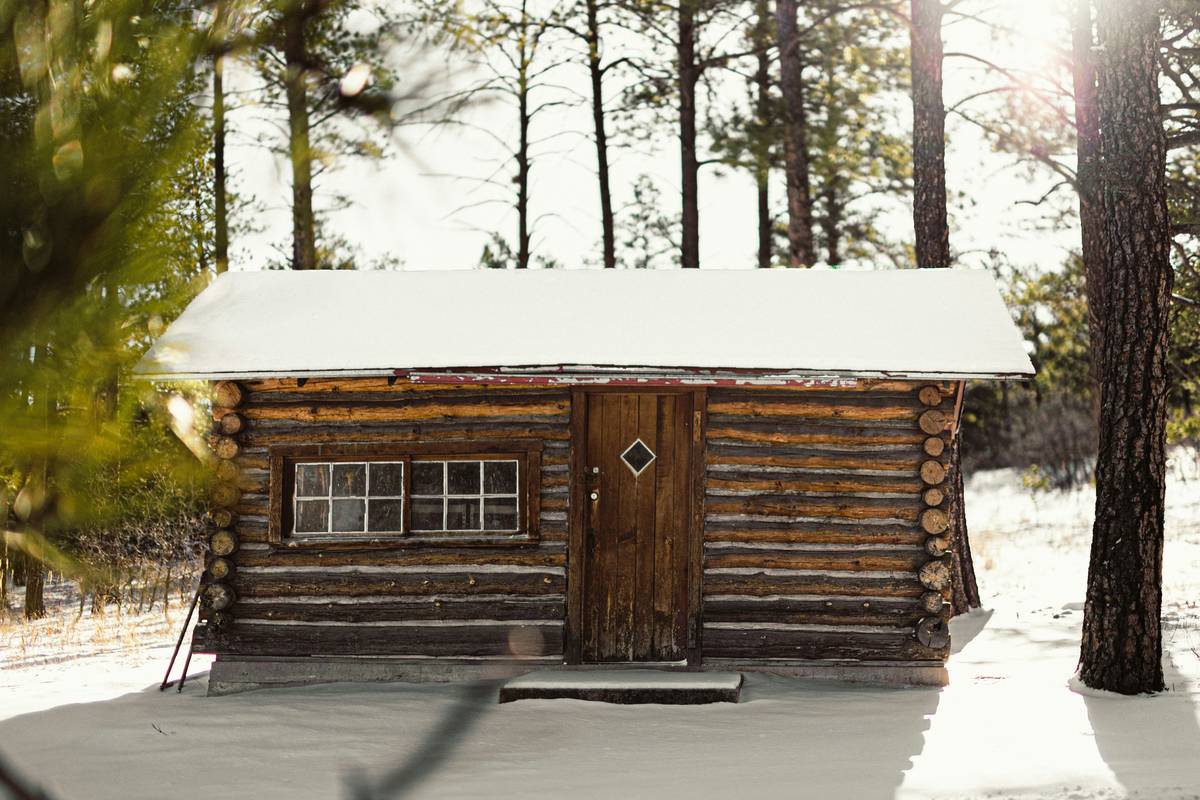
The phrase what is retreat house surfaces more than 2,400 times monthly in Google searches—a sign that travelers crave clarity, not just aesthetics. Unlike generic vacation rentals, a true retreat house offers intentional solitude, often in architecturally significant or spiritually resonant spaces. Think converted abbeys, restored lighthouses, or mid-century cabins nestled in private woodland.

I learned this the hard way. On a solo trip to the Cotswolds, I booked a “cozy heritage cottage” listed as a “retreat.” Upon arrival, I discovered it lacked heating, WiFi, and—most critically—a working lock on the front door. It wasn’t a retreat; it was a liability. That experience taught me: romantic descriptions don’t guarantee safety or comfort. According to the National Trust, over 300 historic properties in the UK are now licensed for short-term stays—but only about half meet modern accessibility or safety standards.
How to Choose the Right Retreat House: A Step-by-Step Guide
1. Define Your Purpose
Are you seeking creative inspiration, spiritual reflection, or simply digital detox? Your goal shapes your choice. A writing retreat needs silence and natural light; a family reunion needs multiple bedrooms and a kitchen.
2. Verify Historical Authenticity
Check if the property is listed on official heritage registers (e.g., Historic England or local equivalents). Cross-reference with photos from prior guests—not just the host’s glossy shots.
3. Scrutinize Amenities
“Charming vintage bathroom” often means no shower. Ensure essentials—hot water, reliable WiFi if needed, safe electrical outlets—are explicitly confirmed.
4. Message the Host
Ask specific questions: “Is the fireplace operational?” or “Are there steep stairs unsuitable for elderly guests?” Responsiveness matters more than star ratings.
5 Best Practices for Booking Historic Retreats
- Read between the lines of reviews. Phrases like “authentic experience” may mean “no modern comforts.”
- Avoid peak season for better rates and fewer crowds—especially in UNESCO-listed towns.
- Check cancellation policies carefully. Many historic homes have strict rules due to limited availability.
- Confirm parking access. Cobblestone lanes and narrow driveways can block standard vehicles.
- Never book without verifying insurance coverage. At PlaceCEO, we prioritize guest safety—learn more on our Privacy Policy page regarding data and booking security.
Real Guests, Real Results: Case Studies
In 2023, a couple booked a Georgian-era manor in Bath listed as a “mindful retreat house.” Thanks to pre-booking calls and detailed photo requests, they confirmed ensuite bathrooms and underfloor heating. Their stay resulted in a published memoir—and a return visit scheduled for 2025.
Conversely, another traveler skipped verification on a “medieval tower” rental in Wales. The listing omitted that the property had no running water beyond a hand pump. They left after one night, forfeiting £300. Moral? Clarity beats charm every time.
Frequently Asked Questions
What exactly is a retreat house?
A retreat house is a private or semi-private accommodation designed for rest, reflection, or focused activity—often located in serene settings and frequently housed in historic buildings with preserved architectural features.
Can I host events at a historic retreat house?
Many allow small gatherings, but check local regulations and property terms first. Heritage sites often restrict noise, capacity, or alcohol use.
Are retreat houses more expensive than regular rentals?
Not always. While premium heritage properties cost more, off-season or weekday bookings can offer surprising value. Always compare across platforms.
How do I know if a retreat house is truly historic?
Look for listings that cite official designations (e.g., Grade II listed) or include archival references. When in doubt, contact local tourism boards.
Do retreat houses come with hosts onsite?
Varies widely. Some are fully self-catering; others offer optional concierge services. Clarify this during inquiry.
What’s one terrible tip I should ignore?
“Just show up—you’ll figure it out.” Nope. Historic stays demand prep. Guessing leads to cold showers, locked gates, or worse. Plan ahead.
Ready to book with confidence? Our team at PlaceCEO specializes in vetting authentic retreat experiences. Got questions? Reach out anytime via our Contact Us page.
After all—your retreat shouldn’t be a mystery novel. It should be your sanctuary, spelled out in comfort, clarity, and cobblestone charm.