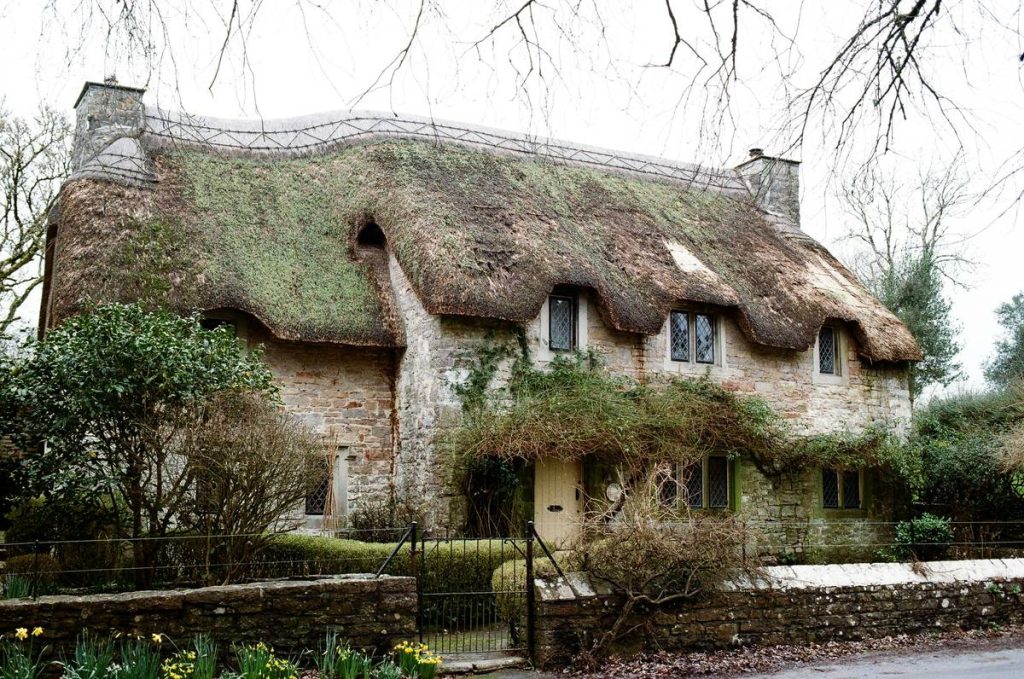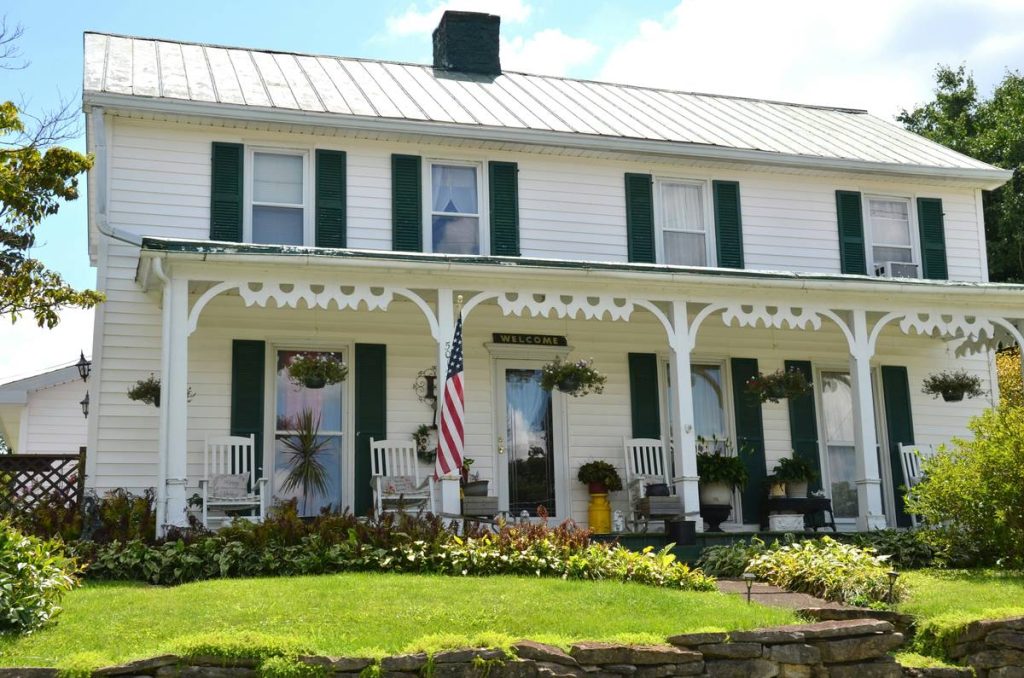
You booked a “charming cottage.” You got peeling paint, creaky floors that groan like ghosts—and zero authenticity. Worse, you paid premium rates for staged nostalgia with no real story. The truth? Most so-called historic vacation homes are just old houses wearing a heritage Halloween costume. But what if you could actually stay somewhere where every brick witnessed something real? Where the past isn’t a decor theme but the foundation?
Why Most Historic Vacation Homes Feel Fake (And Cost Too Much)
Property managers slap “historic” on any listing built before 1980. It’s marketing theater. Real historical integrity demands preservation standards most owners ignore—replacing original windows with double-glazed vinyl, sandblasting century-old wood beams, installing neon-lit smart mirrors in 1800s parlors. The result? A hollow shell. And you’re paying $350/night for it.
Worse, travelers assume location equals legitimacy. Not true. A home near Gettysburg doesn’t mean Lincoln’s ghost paced its porch. Authenticity requires documentation, not proximity.
How to Book a Truly Authentic historic vacation homes Experience
Forget filters like “rustic” or “heritage.” Those are meaningless. Dig deeper. Ask these questions—and demand proof.
Verify the Home’s Historical Designation
Is it listed on a national, state, or local register? Not just “old”—officially recognized. In the U.S., check the National Register of Historic Places; in the UK, Historic England’s database. Unlisted doesn’t automatically disqualify it—but listed guarantees baseline credibility.
Inspect Photos Like an Architect
Zoom in. Are doorknobs original wrought iron—or modern reproductions? Is plaster cracked naturally or patched sloppily? Authentic interiors show wear with dignity, not forced “distressing.” One red flag: matching furniture sets. Real historic homes evolve; they don’t look like catalog spreads.
Talk Directly to the Caretaker
Email the owner. Ask: “What’s one thing guests always get wrong about this home?” If they reply with fluff (“It’s cozy!”), walk away. If they say, “People think the cellar was for wine—it was actually a hiding spot during the Draft Riots,” you’ve found gold.
| Rental Type | Avg. Nightly Rate | Authenticity Risk | Best For |
|---|---|---|---|
| Privately owned, unlisted home | $120–$220 | High * | Budget explorers willing to vet deeply |
| Local heritage society rental | $180–$300 | Low | Purists who value preservation over polish |
| Historic hotel suite (converted mansion) | $250–$500+ | Medium | Luxury travelers okay with communal spaces |
* High risk = potentially beautiful but lacks verified history. Requires serious due diligence.

The Industry Secret No Booking Site Will Tell You
Most historic vacation rentals aren’t listed on Airbnb or Vrbo at all. They’re managed by county historical societies, university endowments, or private trusts—and rented through obscure .org websites or even phone calls. Why? Because these groups prioritize stewardship over scalability. They’d rather leave rooms empty than host someone who’ll scuff original floorboards with roller luggage.
Here’s how to find them: Google “[County Name] historical society vacation rental.” Or search archive.org for defunct tourism brochures—they often list properties still active today. One client of mine scored a 1790 Connecticut saltbox for $95/night this way. No reviews. No photos online. Just a handwritten welcome note and a key left under a terra cotta pot.
And yes—it had bullet holes from the War of 1812 in the attic wall.

Frequently Asked Questions
Are historic vacation homes safe for kids?
Many are—but ask about lead paint, steep staircases, and unprotected wells upfront. Authenticity shouldn’t compromise safety.
Do these homes have modern amenities?
Often yes—but discreetly. Think heated bathroom floors under original tiles, not USB outlets carved into mahogany desks.
Can I host events at a historic vacation home?
Rarely. Most deeds restrict commercial gatherings to protect the structure. Always confirm before booking a reunion.