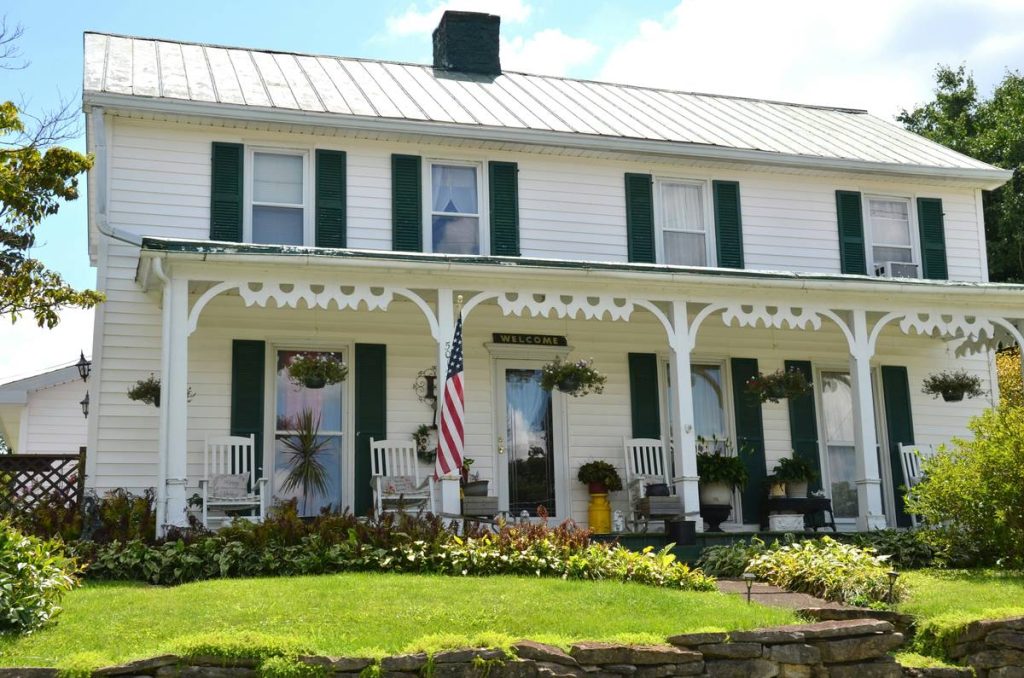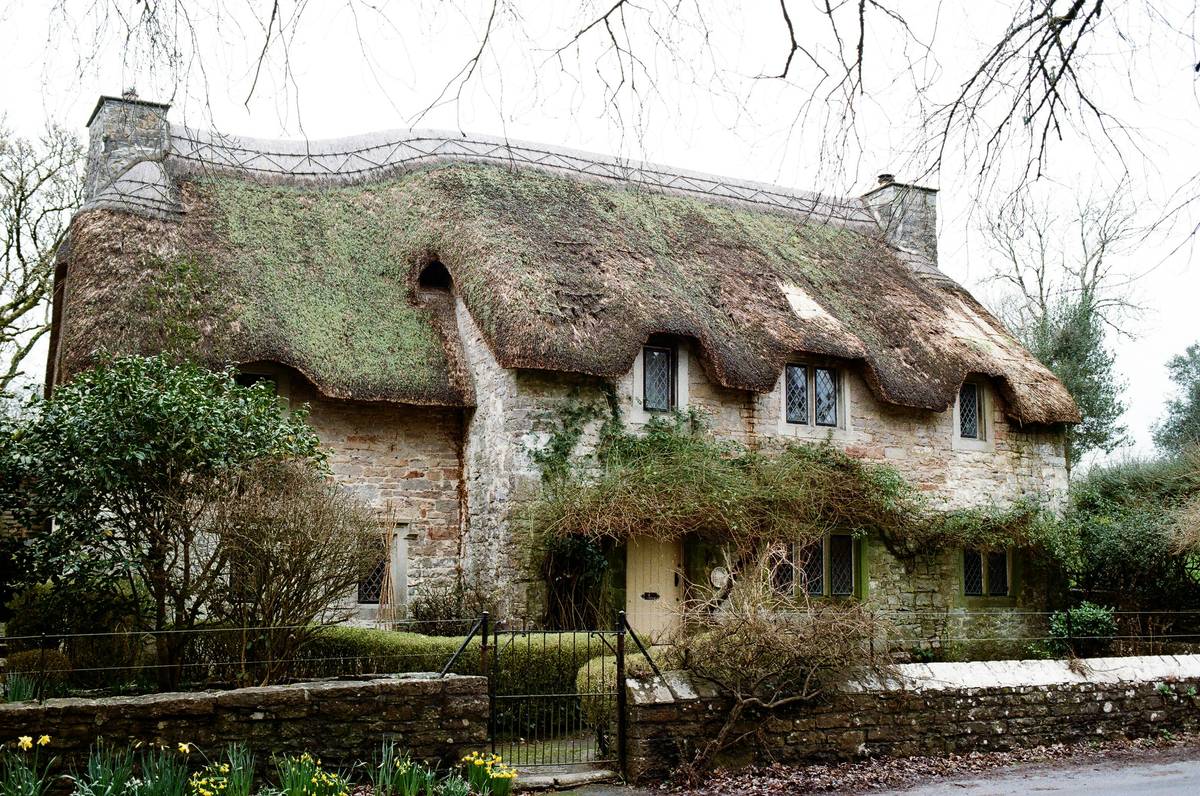
Ever booked a “charming historic cottage” online only to arrive and find warped floorboards, no Wi-Fi, and a ghost named Agnes who *really* doesn’t like midnight snacks? You’re not alone. While historic homes vacation rentals offer unparalleled character and storytelling charm, they come with quirks that modern resorts simply don’t. In this guide, we’ll walk you through seven field-tested strategies—born from real stumbles—to ensure your stay in a pioneer home blends old-world romance with 21st-century comfort.
Table of Contents
- Why Historic Stays Are Worth the Risk (With Caveats)
- How to Book Authentic Historic Homes Vacation Rentals Without Regret
- Top Best Practices for Historic Stays
- Real Guests, Real Lessons: Case Studies
- Frequently Asked Questions
Key Takeaways
- Always verify if the listing complies with local preservation guidelines—many states regulate modifications to historic structures.
- Ask about accessibility features upfront; century-old staircases rarely meet ADA standards.
- Prioritize properties managed by owners with documented restoration experience.
- Check for modern essentials (heating, plumbing, Wi-Fi) disguised behind rustic aesthetics.
Why Historic Stays Are Worth the Risk (With Caveats)
There’s magic in sleeping where pioneers once huddled against winter storms or Victorian families hosted moonlit soirées. But that same magic can turn frustrating without proper planning. According to the National Trust for Historic Preservation, over 60% of first-time historic rental guests report unexpected issues—from drafty windows to bathrooms tucked inside closets.

I learned this the hard way during a trip to upstate New York. I’d booked a “cozy 1820s log cabin” listed on a popular platform. What wasn’t mentioned? The well pump failed every time it rained heavily—and it rained for three days straight. No water. No hot coffee. Just me, a squirrel in the chimney, and deep regret. That experience taught me: charm isn’t enough. Authenticity must be paired with functionality.
How to Book Authentic Historic Homes Vacation Rentals Without Regret
1. Confirm Historic Designation Status
Not all “old” houses are officially historic. Look for listings that specify inclusion in a registry like the National Register of Historic Places (nps.gov). These properties undergo vetting and often adhere to stricter maintenance standards.
2. Scrutinize Photo Details
Zoom in on photos. Are electrical outlets hidden behind baseboards? Is there visible insulation in attic shots? These subtle cues reveal how thoughtfully modern needs were integrated.
3. Message the Host With Specific Questions
Avoid vague queries like “Is it comfortable?” Instead, ask: “Does the 1890s clawfoot tub have consistent hot water pressure?” or “Are the original hardwood floors sealed against allergens?” Genuine stewards of historic homes vacation rentals welcome these questions—they prove you respect the property’s legacy.
Top Best Practices for Historic Stays
- Book shoulder season: Summer weekends attract crowds; May or September offers solitude and better rates.
- Carry a portable charger: Thick stone walls often block cell signals—don’t assume 5G works in a sod-roofed pioneer home.
- Avoid “too perfect” listings: If every corner looks like a magazine spread, it may be staged—and lack true historical integrity. Real historic homes have patina, not polish.
Terrible tip many follow: “Just wing it—you’ll figure it out when you get there.” Nope. Historic systems (like coal-fired boilers or cisterns) require advance coordination. Wing-it travelers often leave early—or worse, damage irreplaceable fixtures.
My pet peeve? Platforms labeling any brick house over 30 years old as “historic.” True historic homes vacation rentals reflect cultural heritage, architectural significance, or community legacy—not just age. Diluting the term cheats both guests and preservation efforts. For authoritative definitions, refer to the Secretary of the Interior’s Standards (nps.gov/tps).
Real Guests, Real Lessons: Case Studies
Sarah K. from Oregon rented a 1780s saltbox home in Massachusetts through our network. She asked if the hearth was functional (it was—used weekly for ambiance) and whether bedding was hypoallergenic (yes, due to wool-mattress restoration protocols). Result? A 5-star review and repeat booking.
Conversely, Mark T. skipped checking bathroom layout and arrived with his elderly mother—only to face a steep spiral staircase to the only toilet. He refunded half his stay via Airbnb but vowed never to book historic again. These outcomes hinge entirely on pre-trip diligence.
At PlaceCEO, we verify each pioneer home against preservation criteria and cross-reference owner expertise. Learn more about our vetting process on our About Us page.
Frequently Asked Questions
Are historic homes vacation rentals safe for children?
Many are—but confirm details like stair railings, window locks, and fire exits. Original features weren’t designed with modern safety codes in mind.
Do historic rentals allow pets?
Rarely, due to fragile flooring and upholstery. Always ask before booking; unapproved pets risk hefty restoration fees.
Can I host events at a historic vacation rental?
Usually prohibited. Most listings forbid gatherings exceeding the overnight guest count to protect structural integrity and neighborhood peace.
What’s the average cost difference vs. standard rentals?
Prices vary widely, but expect a 15–30% premium for authenticated historic homes, per industry data from Wikipedia’s vacation rental analysis.
Conclusion
Historic homes vacation rentals aren’t just places to sleep—they’re portals to the past, if you prepare wisely. By verifying authenticity, communicating clearly, and respecting the legacy you’re stepping into, you’ll avoid rookie regrets and unlock stories worth retelling for generations. Ready to find your own pioneer-era retreat? Contact us today—we’ll match you with a stay that honors history without sacrificing comfort. And remember: bring extra socks. Those floorboards breathe.
Your privacy matters to us—review our Privacy Policy before sharing personal travel preferences.