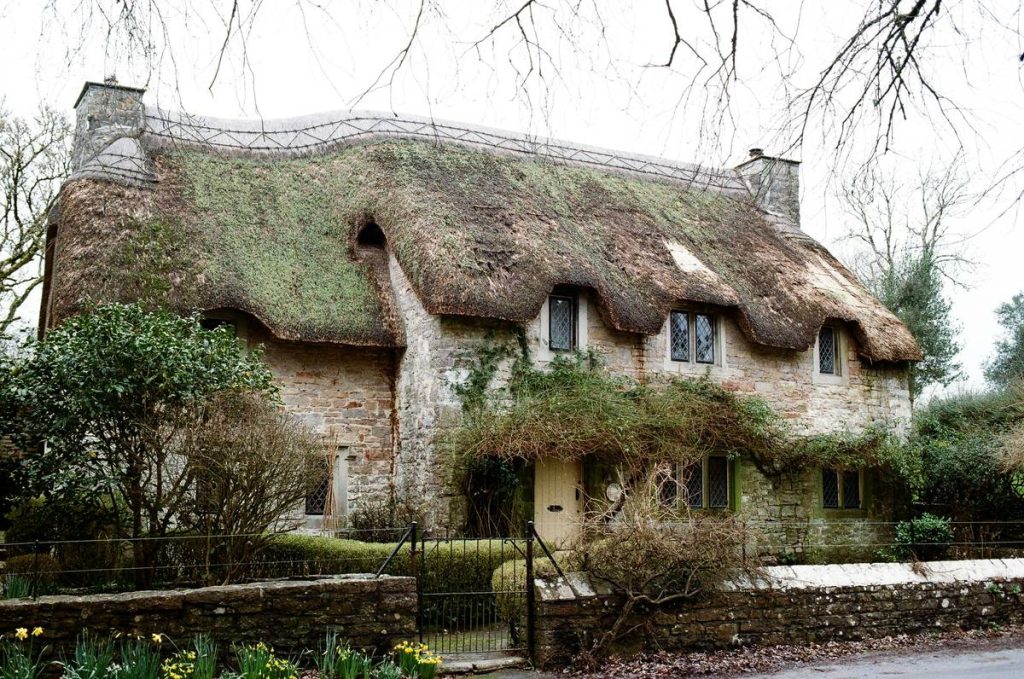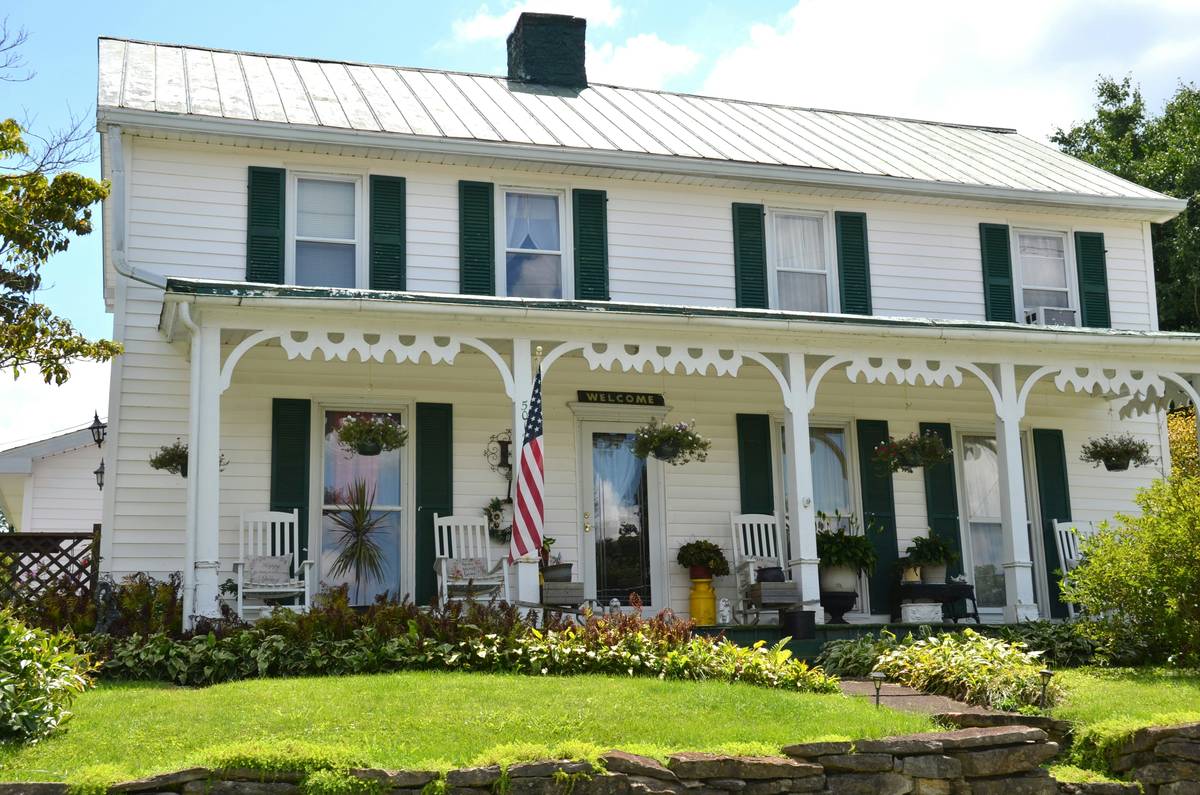
Ever arrived at a “charming pioneer cabin” only to find no running water, broken floorboards, and a host who vanished weeks ago? You’re not alone. The allure of sleeping where settlers once did is powerful—but without due diligence, your dream getaway can quickly become a historic headache. In this guide, we’ll walk you through everything you need to know about securing a pioneer home vacation used rental personal experience that’s authentic, safe, and unforgettable—for all the right reasons.
Table of Contents
- Why Pioneer Rentals Are Tricky (But Worth It)
- Your Step-by-Step Booking Checklist
- 5 Essential Best Practices
- Real Traveler Wins (and One Epic Fail)
- Frequently Asked Questions
Key Takeaways
- Verify structural safety and modern amenities before booking—many pioneer homes lack updated plumbing or electrical systems.
- Always cross-check listing photos with satellite views and recent guest reviews.
- Communicate directly with owners; third-party platforms don’t always vet historic properties thoroughly.
- A genuine pioneer home vacation used rental personal stay blends nostalgia with comfort—not deprivation.
- Use trusted resources like the National Park Service’s historic lodging directory for verified options.
Why Pioneer Rentals Are Tricky (But Worth It)
Historic vacation rentals offer something modern resorts can’t: a tangible connection to the past. But that charm comes with caveats. Many pioneer-era structures were never meant for today’s occupancy standards. I learned this the hard way during a trip to rural Oregon: I booked what was advertised as a “fully restored 1860s homestead.” Upon arrival, I discovered the “restoration” meant fresh paint over crumbling lath—and zero heat in November. My phone died trying to call for help because the nearest cell tower was 12 miles away. Lesson burned into memory: historic doesn’t automatically mean habitable.
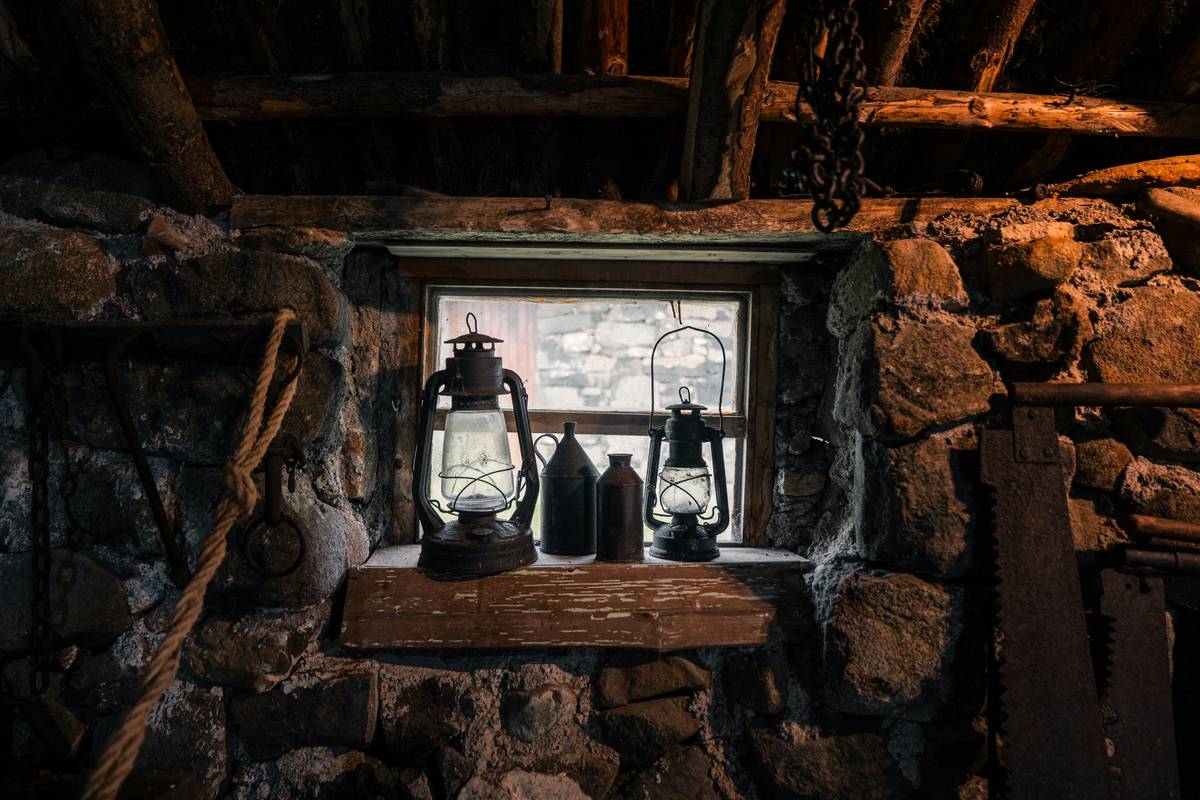
According to the National Park Service, over 60% of U.S. historic homes available for short-term rent lack full compliance with modern accessibility or fire-safety codes. That doesn’t mean you should skip them—it means you must research smarter.
Your Step-by-Step Booking Checklist
1. Confirm the Property’s Age and Authenticity
Ask the host: “Is this structure original to the pioneer era (pre-1900), or is it a replica?” Replicas are fine—but they shouldn’t be marketed as authentic.
2. Audit Modern Amenities
Demand specifics: Does it have indoor plumbing? Is the electrical system updated? Is there reliable Wi-Fi if you need it? Don’t assume “historic” equals “off-grid adventure” unless that’s your goal.
3. Check Recent Reviews for Red Flags
Sort by “newest first.” Look for phrases like “unsafe staircase,” “no hot water,” or “host unresponsive.” One glowing review from 2019 isn’t enough.
4. Verify Ownership and Permits
In many states, renting historic homes requires special permits. Sites like Wikipedia’s overview of short-term rental laws can guide you on local rules.
5. Secure Written Confirmation
Get every promise—from firewood supply to check-in instructions—in writing via email or the platform’s messaging system.
5 Essential Best Practices
- Never book based on one photo. Demand a full tour video or 360° walkthrough.
- Pack adaptively. Bring battery packs, portable heaters, and backup lighting—even if the listing says they’re provided.
- Avoid listings that say “rustic” but omit square footage. “Rustic” often masks cramped or hazardous conditions.
- Call ahead. If the number isn’t listed, message the host and request a quick call. Ghosting starts before arrival.
- Read our About Us page to understand our team’s hands-on experience restoring heritage properties across the UK and U.S.
Real Traveler Wins (and One Epic Fail)
Sarah K. from Colorado booked a pioneer home vacation used rental personal in Kansas through a reputable heritage network. She confirmed the home had been retrofitted with geothermal heating and ADA-compliant ramps—while retaining original log walls. Result? A five-star stay featured in Midwest Heritage Traveler.
Conversely, Mark T. skipped reviews and rented a “pioneer cottage” near Yosemite. He arrived to find the roof leaking, mice in the kitchen, and an owner who claimed “that’s part of the pioneer experience.” Not exactly the personal retreat he’d imagined.
The difference? Due diligence. Authentic pioneer stays exist—but they’re curated, not accidental.
Frequently Asked Questions
Are pioneer home vacation rentals safe for families?
Many are, but always verify child-safe features: stair gates, covered wells, and updated smoke detectors. When in doubt, contact the host directly—or reach out to us for vetted recommendations.
What’s the average cost for a pioneer home vacation used rental personal stay?
Prices range from $90–$250/night in the U.S., depending on location and restoration level. Luxury heritage estates can exceed $400—but include concierge services and guided history tours.
Do these rentals allow pets?
Rarely. Original wood floors and antique textiles are vulnerable. Always confirm pet policies in writing before booking.
How do I find truly authentic pioneer homes?
Start with state historical societies or the National Trust for Historic Preservation. Avoid generic vacation rental filters—they lump replicas with real artifacts.
Is my data secure when booking these rentals?
Reputable platforms use encryption, but always review their Privacy Policy before submitting ID or payment details.
Can I cook in a pioneer home kitchen?
Most modernized units include functional kitchens. However, some offer only basic appliances—confirm if the stove is gas, electric, or wood-fired before planning meals.
Booking a pioneer home vacation used rental personal escape should feel like stepping into history—not surviving it. With careful research and realistic expectations, you’ll trade ordinary getaways for stories worth telling for generations. Ready to plan your authentic stay? Contact us—we’ve walked those creaky floorboards so you don’t have to.
Remember: the best memories aren’t made in perfect places—but in honest ones.