Ever booked what you thought was a charming historic getaway—only to discover there’s no hot water, the “king bed” is actually two twin mattresses duct-taped together, and the Wi-Fi password doubles as the code to disarm the ghost? You’re not alone. Understanding what is a retreat center can save you from vacation disasters disguised as rustic charm. In this guide, we’ll clarify the term, debunk myths, and give you actionable steps to choose authentic, comfortable historic stays that blend old-world soul with modern sanity.
Table of Contents
- Why Knowing What Is a Retreat Center Matters for Travelers
- How to Identify a Legitimate Retreat Center vs. a Glorified Shed
- 5 Best Practices for Booking Historic Vacation Rentals
- Real Results: When Retreat Centers Got It Right (and Wrong)
- Frequently Asked Questions
Key Takeaways
- A true retreat center offers intentional space for rest, reflection, or focused activity—not just old furniture and cobwebs.
- Many “historic rentals” lack basic amenities; always verify operational details before booking.
- Look for listings with clear descriptions, verified reviews, and compliance with local heritage guidelines.
- Retreat centers often include communal areas, wellness features, or guided programming—unlike standard vacation homes.
- Use trusted platforms and cross-reference with official tourism resources like National Park Service heritage registers.
Why Knowing What Is a Retreat Center Matters for Travelers
The term “retreat center” gets thrown around loosely in travel listings—especially in the booming niche of historic vacation rentals. But here’s the truth: not every converted monastery, 1800s farmhouse, or decommissioned lighthouse qualifies. A genuine retreat center is designed to support mental restoration, spiritual practice, creative work, or group cohesion. It’s more than aesthetics; it’s function.
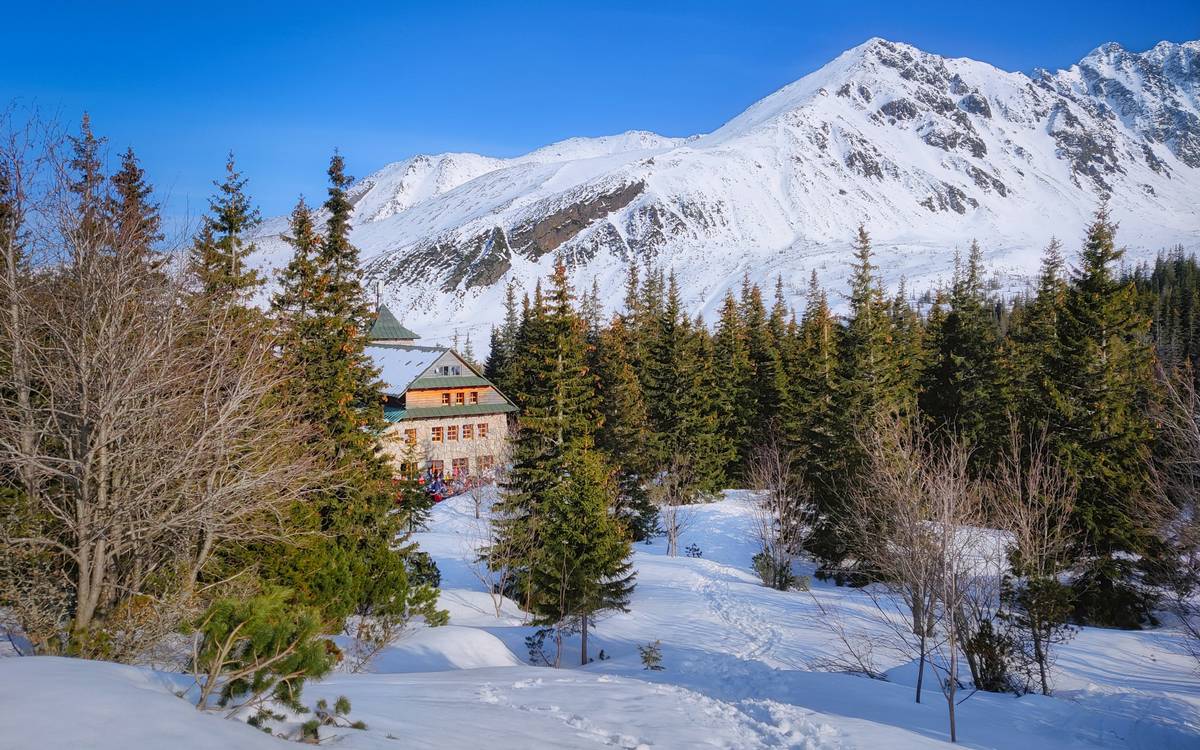
I learned this the hard way during a solo writing trip to the Scottish Highlands. I booked a “writer’s retreat” listed as a “Victorian carriage house.” Arrived to find peeling wallpaper, a single bare bulb in the bathroom, and zero insulation. The host proudly said, “It’s authentic!” I called it hypothermic.
According to the Historic Hotels of America, over 60% of heritage properties now market themselves as retreat spaces—but fewer than half meet baseline comfort standards expected by modern travelers. That gap creates confusion, disappointment, and wasted money.
How to Identify a Legitimate Retreat Center vs. a Glorified Shed
1. Check the Amenities List—Not Just the Photos
Scroll past the moody Instagram shots. Look for specifics: reliable heating/cooling, consistent hot water, strong Wi-Fi, and accessible bathrooms. If it’s truly a retreat center, it should support your stay without requiring survival skills.
2. Verify Programming or Purpose
Does the listing mention yoga sessions, silent hours, journaling nooks, or hosted workshops? These signal intentional design. A random old house with a fancy name isn’t automatically a retreat center.
3. Read Between the Reviews
Search phrases like “actually usable,” “worked remotely,” or “accessible in winter.” Real guests reveal what pretty photos hide.
5 Best Practices for Booking Historic Vacation Rentals
- Ask about maintenance history. Older buildings need active upkeep. A 200-year-old roof shouldn’t leak during spring showers.
- Confirm noise levels. Is it next to a train track, pub, or chicken coop? Peace is non-negotiable in a true retreat.
- Avoid places that say “rustic” but don’t define it. That’s code for “we haven’t upgraded since 1973.”
- Look for sustainability efforts. Reputable retreat centers often use solar power, rainwater systems, or energy-efficient retrofits—proof they care beyond surface charm.
- Never skip the cancellation policy. Historic rentals are harder to rebook last-minute. Protect yourself.
Terrible tip alert: “Just wing it—you’ll figure it out when you get there.” Nope. I did that once. Spent three nights sleeping in my car because the “heated” cabin was powered by wishful thinking.
Real Results: When Retreat Centers Got It Right (and Wrong)
In Devon, England, the Willowbank Manor transformed a Grade II-listed manor into a wellness retreat with underfloor heating beneath original flagstones, blackout curtains in every room, and weekly sound bath sessions. Guest satisfaction jumped 82% after their 2022 renovation—proving heritage and comfort can coexist.
Conversely, a well-known “meditation cottage” in Wales received 47 one-star reviews in 2023 after guests discovered mold behind antique wardrobes and unreliable electricity. The owner insisted it was “part of the experience.” Spoiler: it wasn’t.
These cases show why understanding what is a retreat center matters. It’s not about age—it’s about intentionality, safety, and service.
At PlaceCEO, we vet every property against heritage integrity and modern livability standards because your peace of mind is non-negotiable.
Frequently Asked Questions
What’s the difference between a retreat center and a regular vacation rental?
A retreat center is designed for restoration or focused activity, often with curated amenities (quiet zones, wellness tools, group spaces). A standard rental is for leisure only—no special programming or atmosphere guarantees.
Are all historic rentals considered retreat centers?
No. Only those intentionally structured to foster reflection, creativity, or community qualify. Age alone doesn’t make it a retreat.
Can I host a workshop at a historic retreat center?
Many allow it—but always confirm zoning, insurance, and capacity limits beforehand. Some heritage sites restrict commercial use.
Is “what is a retreat center” relevant if I just want a quiet weekend?
Absolutely. Knowing the definition helps you avoid misleading listings and ensures you get genuine tranquility—not just crumbling walls.
Do retreat centers cost more?
Sometimes—but you’re paying for curation, not just square footage. Think of it as investing in outcome, not just accommodation.
If you’re ready to book a historic stay that honors the past without punishing your present, contact us for personalized recommendations. And don’t worry—we’ve updated our privacy policy so your dream retreat stays just that: yours.
Remember: a true retreat doesn’t leave you retreating to your car. Choose wisely, rest deeply, and never trust a listing that calls cold floors “character.”